REVIEW · TOKYO
Tokyo Top Highlights 3h Guided E-bike Tour
Book on Viator →Operated by Japan Wonder Travel · Bookable on Viator
Tokyo turns easier when you add electric wheels. This 3 to 4 hour guided e-bike tour lets you cover big sights without feeling like you’re racing on foot, and you ride a circular route that brings you back to where you started in Tsukiji.
I especially like the small group size (max 6), because it keeps the pace human and the guide can actually watch what’s going on. I also like the built-in food moment: there’s an included Japanese snack during the ride, plus luggage storage at the shop.
The main thing to consider is road reality. You’ll be cycling in city traffic for parts of the route, and the tour isn’t for everyone because there are minimum height (147 cm), age limits, and a weight cap.
In This Review
- Key Points You’ll Feel During the Ride
- Why Tsukiji Is a Smart Place to Start
- How the E-Bike Tour Actually Works (And Why It Feels Less Work)
- The Tour’s Group Size and Guides: Why People Keep Mentioning Them
- Tokyo City Route: Tokyo Station to Zen Gardens and Shrines
- Tokyo Bay Route at Sunset/Night: Views, Skyscrapers, and Gundam-Scale Fun
- Tokyo Tower Route: Hills, Temples, and a Park Snack Moment
- Price and Value: Is $63.67 Worth It?
- What to Expect at Stops (How to Get the Most Out of Your Time)
- Who Should Book This E-Bike Tour (And Who Might Skip)
- Should You Book It?
- FAQ
- What route options are available?
- How long is the tour?
- Where does the tour start and end?
- What’s included with the e-bike tour?
- Are there height, age, or weight limits?
- What happens if the weather is bad?
Key Points You’ll Feel During the Ride

- Three route choices: City, Tokyo Bay sunset/night, or Tokyo Tower sights
- Max 6 riders: enough people for energy, small enough for a personal pace
- Easy-to-use e-bikes: no gear wrestling, and the assist helps you keep going
- Snack + tea-time breaks: a planned Japanese snack stop keeps energy up
- Luggage and storage handled: leave bags at the shop instead of dragging them around
- Safety-first guide time: a briefing happens before you roll out, and the ride stays guided
Why Tsukiji Is a Smart Place to Start
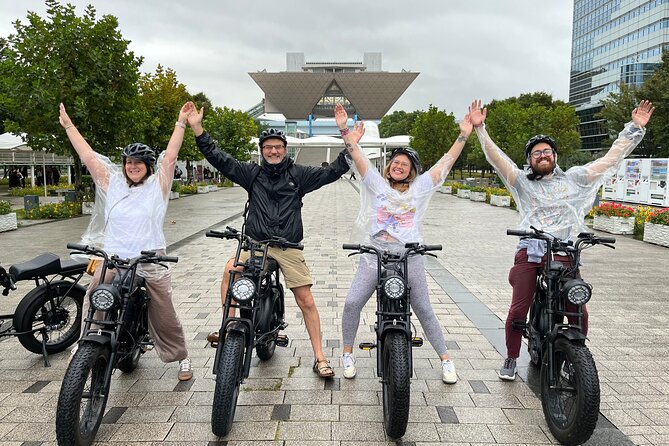
Tsukiji is a practical launching pad. You’re meeting at 6-chōme-11-5 Tsukiji, Chuo City, and the tour ends back at the same spot, so you don’t need to think about getting yourself home after.
The real advantage is how quickly you can get into neighborhoods and landmarks. Instead of spending your morning figuring out trains, you’re rolling on an e-bike with a guide calling the turns and controlling the stops.
You can also read our reviews of more tours and experiences in Tokyo.

How the E-Bike Tour Actually Works (And Why It Feels Less Work)
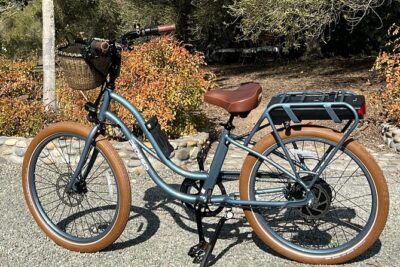
This tour is built around convenience. You get the e-bike and helmet, and in winter you’ll also have gloves, plus storage for your luggage at the shop. You can also rent a knapsack for free, which is handy if you want to carry a jacket or water without hauling a backpack all day.
The ride itself is designed for accessibility. In many groups, guests report the bikes are simple to operate and don’t require complicated gear changes. And because it’s electric assist, the hills feel more like a gentle effort rather than a punishment.
Timing matters. The briefing happens about 15 minutes before the tour start time, and if you’re late you can’t jump in mid-tour. Expect the end time to slide by up to around 30 minutes if traffic is heavy.
The Tour’s Group Size and Guides: Why People Keep Mentioning Them
With a maximum group size of 6, the experience stays calm. You’re not squeezed into a big herd, and the guide can slow down for questions, regroup easily, and point out details you might miss on your own.
Guides show up repeatedly in feedback, with names like Hiro, Shinobu, Miky, Takuro, Javi, FK, YK, Sho, and Taiki. A common theme is that they’re actively managing safety and pacing, including in tougher moments like busier roads or busy intersections.
Tokyo City Route: Tokyo Station to Zen Gardens and Shrines
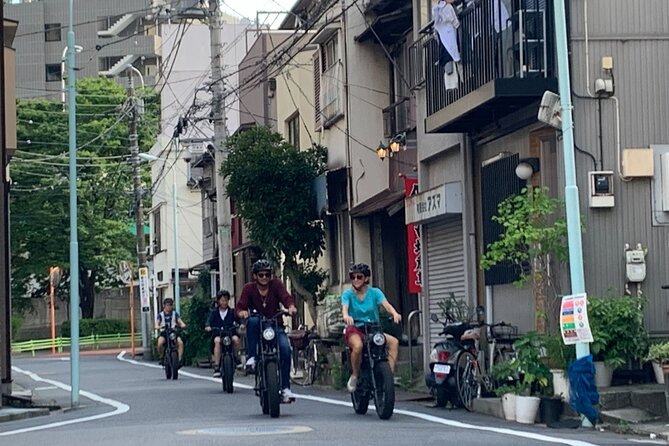
If you want a first taste of classic Tokyo plus calmer corners, this is the route. You’ll go from major icons to quieter scenes, with a mix of modern architecture and older religious sites.
Stop 1: Tokyo Station (15 minutes)
Tokyo Station was built in 1914 and has that classic Western-style look. It’s a great starting photo spot, and it helps you understand how Tokyo mixes old design with newer city life.
Stop 2: Ningyo-cho Street (20 minutes)
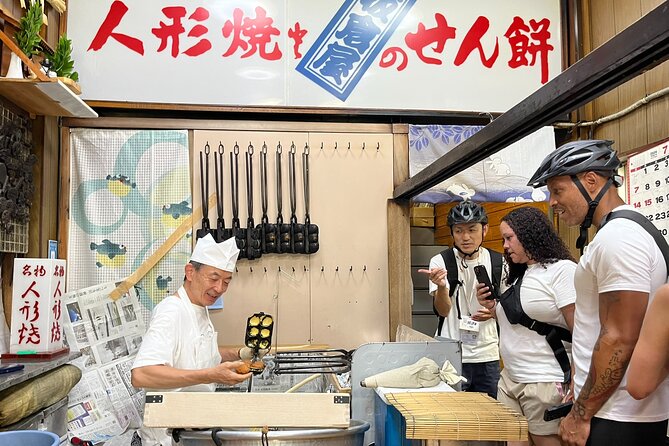
This area is known as doll town. Even if the dolls aren’t the main focus anymore, it’s still a street stop that gives you texture and local flavor without turning into a shopping-only detour. You’ll also get traditional sweets here, which works well if you’re warming up for the ride.
Stop 3: Kiyosumi Teien (25 minutes)
This is where the tour slows down on purpose. The garden is described as less famous with tourists, so you get a quieter moment to enjoy the Zen atmosphere without constant crowds.
Stop 4: Tomioka Hachimangu (30 minutes)
Tomioka Hachimangu is an important Shinto shrine in Tokyo’s Fukagawa area. It also ties into sumo’s early history, so you’re not just seeing a pretty site—you’re learning why it matters in Tokyo culture.
City-route pacing is a big reason people like this option. You get real landmarks, but you also get enough time at each stop to actually enjoy it, not just snap a picture and move on.
Tokyo Bay Route at Sunset/Night: Views, Skyscrapers, and Gundam-Scale Fun
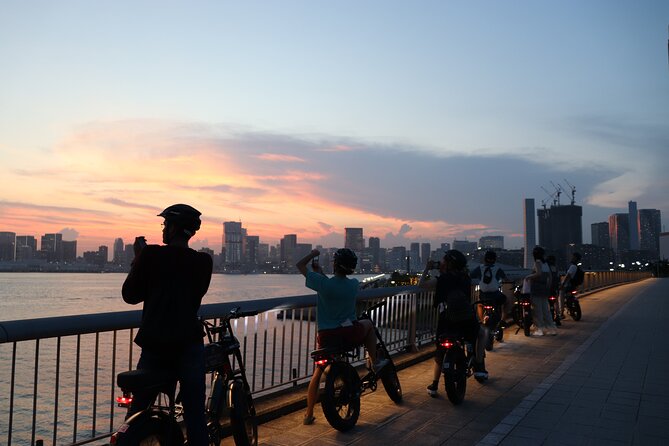
Choose this route when you want Tokyo’s “wow” factor after work hours. You’ll follow the bay vibe with big views, modern architecture, and anime-meets-real-life stops.
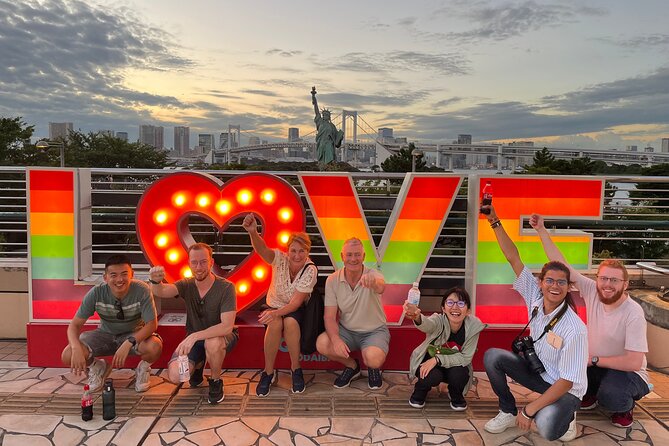
This route is described as passing Rainbow Bridge, plus Gundam Statue sights, and it’s built for sunset and night atmosphere. If your schedule allows a later start, this one tends to feel like the payoff route.
Here’s what the sequence looks like:
Stop 5: Sumiyoshi Shrine (15 minutes)
This is framed as a local-side shrine stop. It’s also a good reminder that even when you’re near major modern attractions, Tokyo still keeps older places active and present in daily life.
Stop 6: Tsukuda Tendai Jizoson (5 minutes)
This one is described as a hidden-place temple that you probably wouldn’t find on your own. It’s short, but those quick stops often become the best stories later.
Stop 7: Tokyo Skytree (1 minute)
You’ll pass the big radio tower area. It’s not a long visit, but a quick sighting like this works if you want the iconic Tokyo markers without eating up your time.
Stop 8: teamLab Planets TOKYO (1 minute)
Another quick “wow, that’s here” pass by the modern art museum. It helps you connect Tokyo’s art scene with the wider city rhythm.
Stop 9: Tokyo Big Sight (10 minutes)
Tokyo Big Sight is a huge exhibition hall, and the building’s design makes for fun photos. This is a good stop if you want something modern that still looks distinctly Tokyo.
Stop 10: Aqua City Odaiba (30 minutes)
This is where you break for an included Japanese convenience-style snack chosen by the local guide. It’s also a relief moment: you can sit, eat, reset your legs, and get ready for the last push.
Stop 11: The Gundam Base Tokyo (10 minutes)
Gundam Base Tokyo and the giant statue area are all about scale. The tour notes a 19.7-meter-high Gundam statue, and that size is hard to fully understand until you see it in person.
If you’re nervous about riding at night, you’re not alone. Many people feel hesitant around traffic and bikes, but a guided group ride usually keeps it controlled. The Tokyo Bay route also tends to have the most “camera-ready” moments.




Tokyo Tower Route: Hills, Temples, and a Park Snack Moment
This route is ideal if you want the classic skyline icon plus a mix of older Tokyo and government-city architecture. It also includes a ride up a hill, but the e-bike assist is there to make it manageable.
Stop 12: Zojo-ji Temple (30 minutes)
Zojo-ji is associated with powerful Shogun family support, and it’s described as great for the temple experience. It’s a strong start because it sets the tone: you’re not just riding past Tokyo Tower for the view, you’re also getting cultural context.
Tokyo Tower pass-by (no time listed)
You’ll pass the tower itself, described as 333 meters tall. Even in passing, it lands because it’s so unmistakable on the skyline.
Stop 13: Atago Shrine (20 minutes)
This is the hill stop. The tour notes you’ll bike up to the hilly load, and without assist it would feel tough, but with e-bike help you can handle it.
Stop 14: National Diet Building (5 minutes)
You’ll see the building and its efficiency. Since the stop is short, treat it as a quick landmark moment, then move on with the day.
Snack pickup + Hibiya Park plan
You’ll grab a Japanese traditional snack around the National Diet Building area and enjoy it at Hibiya Park.
Stop 15: Hibiya Park (20 minutes)
Hibiya Park has many types of trees and flowers, and this is your last stop. Bikes are parked here, and you get the snack moment at the end, which feels like a nice reward for finishing the loop.
Tokyo Tower route also works well for first-timers who want to see a skyline icon while still getting shrines and old-city atmosphere.
Price and Value: Is $63.67 Worth It?
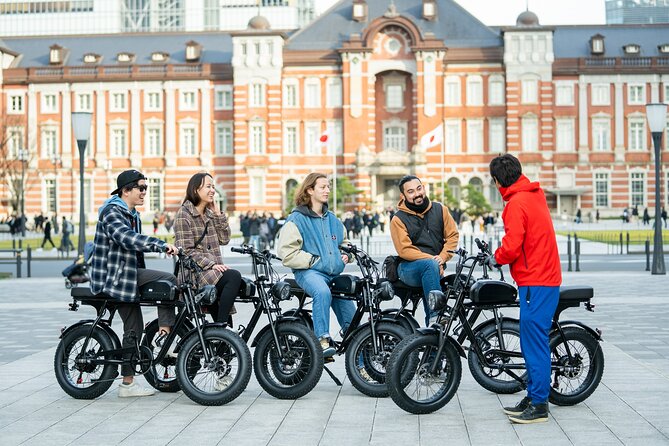
At about $63.67 per person, you’re paying for speed, guidance, and the bike setup bundled into one package. The value comes from what you don’t have to do: you’re not renting an e-bike, planning a route, and figuring out where to stop for the best sights.
You’re also getting included extras that add up on your own. Helmets are provided, luggage storage is handled, winter gloves are included when needed, and you get an included snack. Optional knapsack rental adds another layer of practicality without a big extra cost.
Then there’s the small-group factor. With max 6 riders, you avoid the frantic feel that bigger tours can create, especially when cycling in city traffic.
If you’re trying to make the most of a limited number of Tokyo days, this is one of those buys that feels like a shortcut to the highlights without turning sightseeing into a full-time job.
What to Expect at Stops (How to Get the Most Out of Your Time)
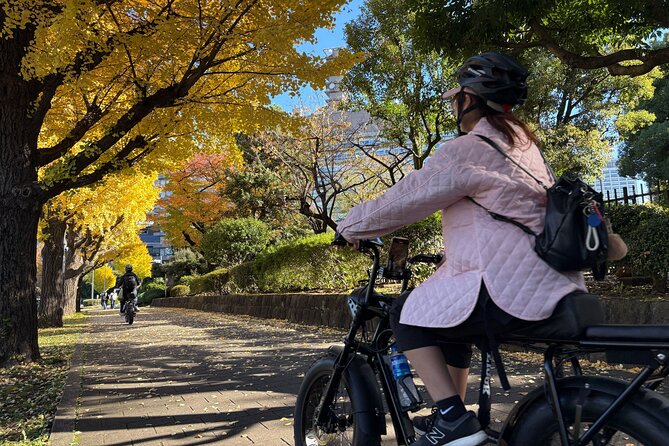
At each stop, you’ll have a set window, and it’s meant to keep the ride moving while still letting you see something. In gardens and temples, use the time to slow down and look around. In photo spots like Tokyo Big Sight, just shoot first, then read what the guide explains so the building makes more sense.
For snack breaks, plan to treat it as part of the schedule. It’s not just food. It’s also a pause that helps you stay comfortable across the full 3 to 4 hours. If you’re sensitive to hunger swings, this is one of the easiest ways to enjoy Tokyo without feeling drained.
One caution: the tour states it cannot accommodate allergies or vegetarianism. If your diet restrictions are strict, you’ll want to plan ahead and be careful with what you can and can’t eat during the snack moments.
Who Should Book This E-Bike Tour (And Who Might Skip)
You’ll likely love it if you want a guided introduction that mixes big landmarks with quieter stops. It’s also a good fit if you want to cover more ground than walking but still prefer small-group pacing over a bus.
This tour comes with clear limits:
- You need moderate physical fitness.
- Minimum height is 147 cm.
- Ages 12 and younger aren’t permitted.
- Not suitable for participants over 120 kg.
If any of those are an issue, pick a different Tokyo tour style. E-bikes help, but they don’t change every safety or comfort requirement.
Also remember: if rain hits, the tour can be canceled for safety. If that happens, you’ll be offered options such as itinerary changes, a different rental-style option, another special tour, or a refund.
Should You Book It?
I’d book this tour if you want a fast, guided Tokyo highlight route that feels like a tour and not just a bike rental. The included snack, luggage handling, and small group size make it feel practical, especially for people who want iconic sights without spending hours on transit planning.
I’d skip it if you have strict dietary needs (allergies or vegetarian restrictions aren’t accommodated) or if you know you can’t handle cycling in traffic for parts of the route. If you’re comfortable meeting time, following a guide, and riding for a few hours, this is a smart way to see Tokyo on wheels.
FAQ
What route options are available?
You can choose from three Tokyo routes: Tokyo City, Tokyo Bay Route (sunset/night), or Tokyo Tower Route.
How long is the tour?
The tour duration is about 3 to 4 hours.
Where does the tour start and end?
The tour starts in Tsukiji at 6-chōme-11-5 Tsukiji, Chuo City, Tokyo 104-0045, Japan, and it ends back at the meeting point.
What’s included with the e-bike tour?
Your tour includes an e-bike and helmet, plus gloves during winter. It also includes luggage storage, and you’ll get an included Japanese snack during the ride. A knapsack rental is optional and stated as available for convenience.
Are there height, age, or weight limits?
Yes. Participants must be at least 147 cm tall, ages 12 and younger aren’t permitted, and it is not suitable for participants over 120 kg.
What happens if the weather is bad?
If the tour can’t be held due to rain or other reasons, you’ll be notified and you’ll be offered options such as changing the itinerary, switching to a rental tour, switching to a special tour, or getting a refund.