REVIEW · TOKYO
Tokyo downtown bicycle tour Tokyo Backstreets Bike Tour
Book on Viator →Operated by 東京下町自転車ツアー Tokyo Backstreets Bike Tour · Bookable on Viator
Tokyo backstreets feel like a shortcut to real life. This small-group ride threads through Asakusa and beyond, guided step-by-step so you’re off the main roads without the stress of getting lost. I also love the food intro: you start with sakuramochi from Yamamotoya, a proper traditional cherry sweet, not a random stop.
One consideration: the bikes are folding models sized for people about 140–180 cm tall. If you’re over 180 cm or you want a tandem bike, you need to notify the operator in advance so you’re not stuck with the wrong setup.
In This Review
- Key Things That Make This Tokyo Bike Tour Worth Your Time
- Why This Bike Route Beats a Usual Walking Day in Tokyo
- Price and Value: What $65.41 Buys You Here
- Meeting at Shinapsu: Getting Started Without Head-Scratching
- Stop-by-Stop: Sakuramochi, Senso-ji Connections, and Temples With Symbols
- Stop 1: Yamamotoya and Sakuramochi at the Start
- Stop 2: Honryuin Matsuchiyama Shoden (Senso-ji’s Temple World)
- Stop 3: Imado Shrine and the Power-Spot Vibe
- Stop 4: Edo Taito Traditional Crafts Center (Edo Shitamachi Traditional Crafts Museum)
- Stop 5: Senso-ji and the Kaminarimon Moment, Then Walking Inside
- Kyu Yasuda Garden: A 17th-Century Pause From City Noise
- Ryogoku to Skytree: Sumo-Stadium Photos and Riding Toward the Tower
- Ryogoku Kokugikan: Quick Picture Time by the Sumo Stadium
- Oyokogawa Water Park: Riding Through Green Space
- Tokyo Skytree: Cycling Under the Tower
- Kyojima Minami Park and Old Shopping Streets for Everyday Tokyo Life
- Bikes, Helmets, and Pace: The Safety Sweet Spot for First-Time Riders
- What You’ll Actually Learn: Temples, Power Spots, Craft, and Meaning
- Should You Book This Tokyo Backstreets Bike Tour?
- FAQ
- FAQ
- How long is the Tokyo Backstreets Bike Tour?
- How much does the tour cost?
- What is the group size limit?
- What is included in the tour price?
- Are helmets mandatory on this tour?
- What bike sizes are available?
- Can I request a tandem bike?
- Where does the tour start?
- What happens if the tour is canceled due to weather?
Key Things That Make This Tokyo Bike Tour Worth Your Time
- Max 6 riders, so you actually get answers to questions while you ride
- Included traditional snack plus water, with sakuramochi at the start
- Real backstreet routes through neighborhood shops and daily life areas, not just postcard streets
- Helmet provided, not mandatory, for a more relaxed feel if you’re used to bikes
- A flexible guide style, with pacing that works for different ages and cycling comfort levels
Why This Bike Route Beats a Usual Walking Day in Tokyo
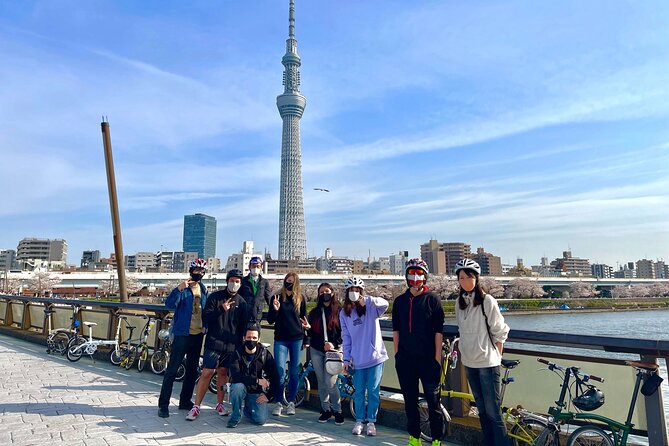
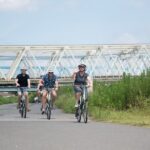
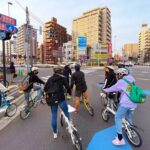
Tokyo is huge, and walking every block turns into a grind fast. On a bike tour like this, you keep your energy for the parts that matter: quick photo moments, short temple and garden breaks, and neighborhood shopping streets.
The payoff is how it changes your perspective. You see the city at street level—how people actually move between temples, craft shops, parks, and stadium-area streets. And because the guide keeps you on track, you can focus on what you’re seeing instead of constantly checking maps.
You can also read our reviews of more tours and experiences in Tokyo.
Price and Value: What $65.41 Buys You Here
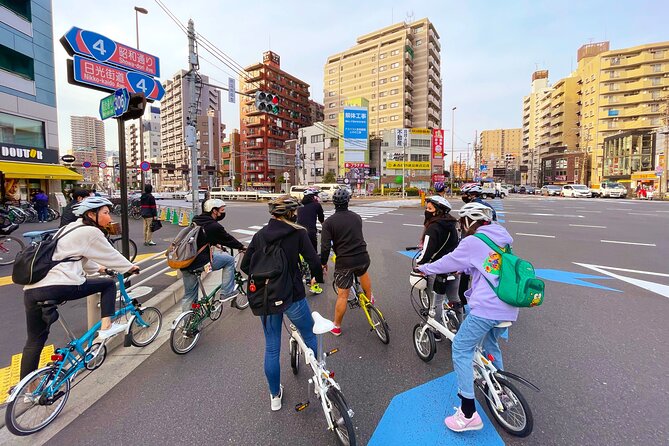
At $65.41 per person for about 4 hours, the value comes from what’s wrapped into the experience. You’re paying for a guided small-group ride plus bike and helmet use, and you also get water and a snack from a traditional sweet shop.
Even better: the stops listed on the route are marked as admission free (so you’re not stacking extra ticket costs on top). Add in the fact the group is capped at 6, and this price starts to feel like you’re buying time with a local who knows where to turn.
It also helps that the tour has an overall 4.9 rating from 117 reviews, with 99% recommending it. That’s not a guarantee, but it’s a strong signal you’re not signing up for a random loop.
Meeting at Shinapsu: Getting Started Without Head-Scratching
You meet at Tokyo Backstreets Bike Tour Japan, inside the share office シェアオフィス「シナプス」 (Synapsu) at Sumida City, Higashimukōjima, 2-chōme 24-14. It’s also noted as being near public transportation, which is a lifesaver when you’re trying to arrive on time without overthinking it.
Expect a short start routine before you roll: bikes are provided (folding style), and a snack plus water are part of the early flow. If you’re the type who likes to settle in, this is a good moment to ask where you’ll be riding and what pace the group will keep.
Stop-by-Stop: Sakuramochi, Senso-ji Connections, and Temples With Symbols
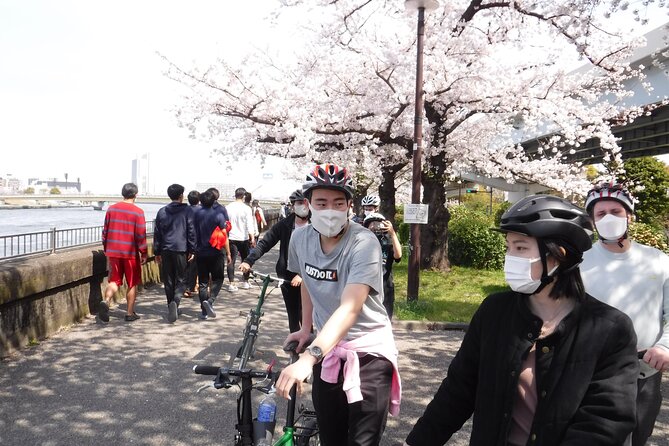
This route is built like a sampler platter. You get a mix of sweets, spiritual stops, craft culture, and a “big name” temple—without turning the day into one long parade of waiting in lines.
Stop 1: Yamamotoya and Sakuramochi at the Start
You begin at Yamamotoya for sakuramochi, a cherry cake wrapped in a salt-pickled cherry leaf and filled with red bean paste. The shop is known for being founded as the first sakuramochi source, which is a fun detail because it makes your first bite feel like a piece of history, not just dessert.
This stop works because it sets the tone. You start slow, warm up your taste buds, and get a taste of traditional Tokyo before you head into the temples and streets.

Stop 2: Honryuin Matsuchiyama Shoden (Senso-ji’s Temple World)
Next is Honryuin Matsuchiyama Shoden, connected to Sensoji, which is said to date back to 595. Here you’ll notice religious imagery centered on a daikon (Japanese radish) and a pouch. The symbolism is explained in terms of the mind being trapped in deep ignorance.
Even if you’re not a temple scholar, this kind of stop adds meaning. Instead of looking at carvings like decoration, you start noticing how people interpret life, suffering, and learning through objects.
Stop 3: Imado Shrine and the Power-Spot Vibe
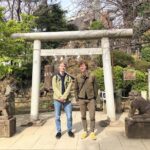
Then you head to Imado Shrine, founded in 1063. It’s described as a popular power spot for people seeking help with lovers or marriage partners. You’ll also run into shrine icons like the beckoning cat and fortune cat.
This is a great stop for two reasons. First, it’s visual—cats and good-luck motifs are easy to spot while you’re riding and pausing. Second, it gives you a clearer view of how shrines function in everyday Tokyo life: not just sightseeing, but hope, habit, and tradition.
Stop 4: Edo Taito Traditional Crafts Center (Edo Shitamachi Traditional Crafts Museum)
You then stop at the Edo Taito Traditional Crafts Center, a museum focused on Japanese traditional handicrafts. The point here isn’t high-speed museum rushing. It’s the chance to see the craftsmanship and how skill lives on in small, focused displays.
If you like watching how people make things, this is one of the better “slow” breaks on the route. It also balances all the spiritual stops with hands-on cultural craft.
Stop 5: Senso-ji and the Kaminarimon Moment, Then Walking Inside
For Senso-ji Temple, you cycle in front of the Kaminarimon gate, then you leave your bikes to walk inside. The stop is short and focused, which is actually useful if you’re trying to keep momentum for the rest of the ride.
The drawback? If you’re hoping for a long, leisurely temple wander, you won’t get that here. But that’s part of the tradeoff: you’re on a bike tour to cover more ground than a walking-only day.
Kyu Yasuda Garden: A 17th-Century Pause From City Noise
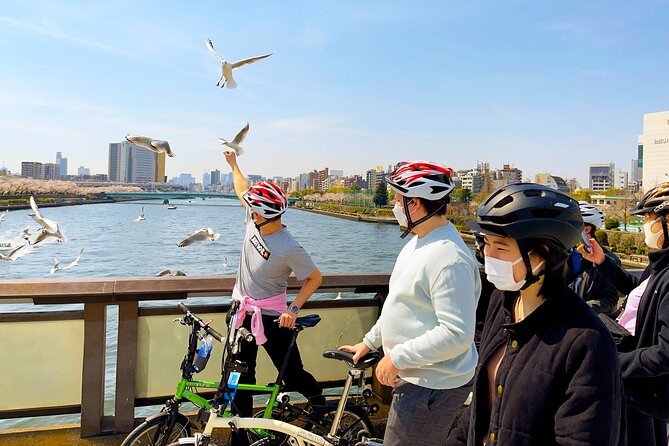
Mid-tour you get Kyu Yasuda Garden, a Japanese traditional garden built in the 17th century. You walk through it for about 20 minutes, which is enough time to slow your pace and actually look.
This stop helps you reset your brain. After streets, shrines, and city movement, the garden gives you a calmer rhythm and a better chance to notice composition—paths, plants, and how the space guides your eyes.
If you’re traveling in hot weather, this is also a mental relief, but you’ll still want water handy since you’re riding between stops.
Ryogoku to Skytree: Sumo-Stadium Photos and Riding Toward the Tower
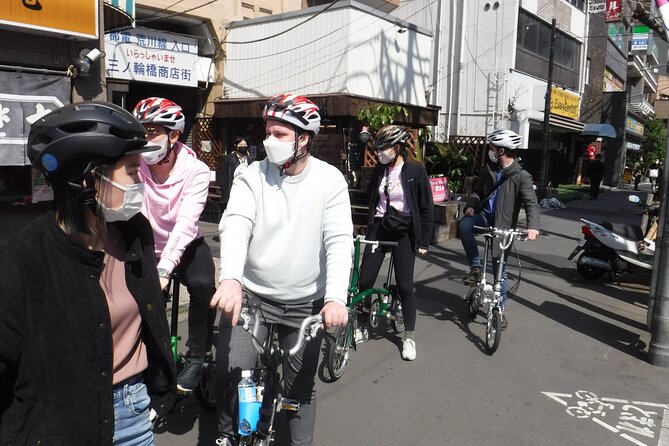
This section is where the tour starts mixing “Tokyo big landmarks” with park-side riding.
Ryogoku Kokugikan: Quick Picture Time by the Sumo Stadium
You cycle by Ryogoku Kokugikan, the sumo stadium area, with a possible moment to take pictures. The stop is brief—around 5 minutes—so think of it as a visual checkpoint rather than a deep dive.
Oyokogawa Water Park: Riding Through Green Space
Then you ride through Oyokogawa Water Park, where the ride segment is longer at about 30 minutes. You’re basically transitioning from temple-and-city energy toward the Skytree zone.
Even if you’re not focused on water parks themselves, this part matters because it changes the feel of the day. You get a break from tighter street patterns and a more open sense of space while still moving.
Tokyo Skytree: Cycling Under the Tower
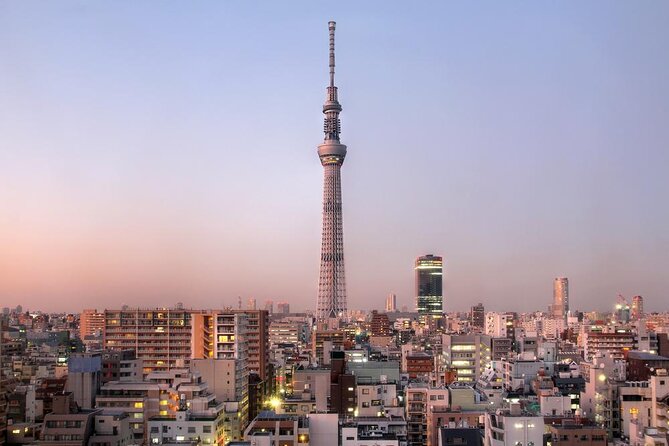
Finally, you reach Tokyo Skytree for about 10 minutes. The key experience here is that you cycle under the tower, which is a different kind of photo moment than just standing in a queue.
The practical side: it’s still a short stop. So if you want Skytree views from inside observation decks, you’ll need separate time on your own.
Kyojima Minami Park and Old Shopping Streets for Everyday Tokyo Life
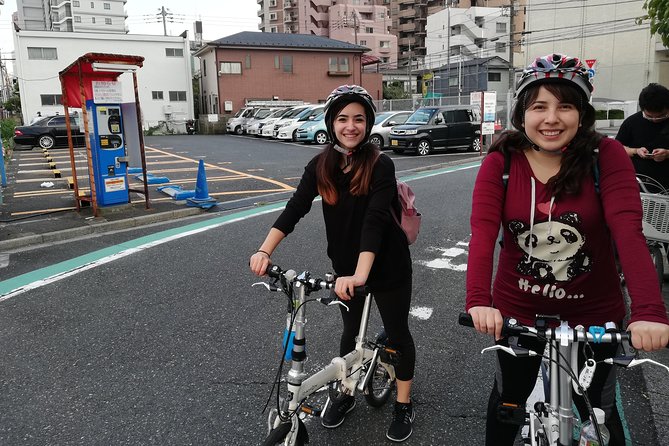
The last planned stop is Kyojima Minami Park, about 30 minutes. Here you’re in an area described as old-fashioned shopping malls where you can see daily life.
This is where the whole tour concept clicks. You’re not just chasing landmarks; you’re seeing the city’s everyday texture. It’s the kind of place that’s hard to find if you’re only sticking to the main tourist corridors.
If you’re the type who loves photographing shop signs, small streets, and how people actually spend their time, you’ll appreciate this ending stretch.
Bikes, Helmets, and Pace: The Safety Sweet Spot for First-Time Riders
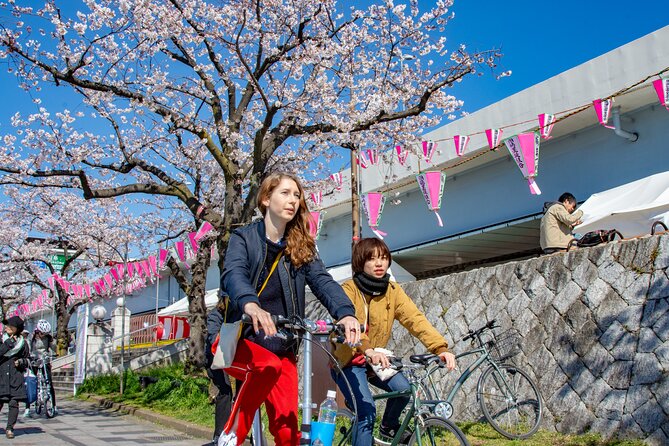
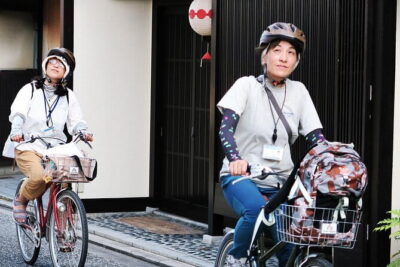
The bikes are folding bikes with 14–20 inch wheels, and they’re suited for riders roughly 140–180 cm tall. If you’re over 180 cm, you should inform the operator ahead of time. If you want a tandem bike, you need to request it 3 days before the booked day.
Helmets are provided, but they’re not mandatory. That’s a real-life detail because it affects the comfort level if you normally wear one or prefer not to. In any case, you’re still dealing with urban streets, so dress for riding and keep your focus on the guide and the road.
The tour also limits you to a maximum of 6 travelers, which helps keep the group together and makes the ride smoother. Many reviews mention the bikes being in great condition and the pace feeling comfortable, which lines up with the idea of short stops and easy navigation.
What You’ll Actually Learn: Temples, Power Spots, Craft, and Meaning
This tour isn’t heavy on lectures, but it gives you context that makes stops more than just photo ops.
At Honryuin Matsuchiyama Shoden, you learn how specific imagery ties to beliefs, including the daikon and pouch symbolism tied to the mind and ignorance. At Imado Shrine, you get the “power spot” angle and the reason the shrine is so connected to wishes around love and marriage.
Then you hit the craft museum, where you see how traditional handicrafts continue through people’s skill and design. It’s a useful counterweight to the spiritual stops, and it helps you see Japan’s cultural engine at two levels: beliefs and making things.
Add in the fact that the route is described as customizable to needs, and you can get more from the day if you’re willing to ask questions as you go. Guides like Takeshi are repeatedly praised for friendly explanations and for tailoring the pace and stops based on what the group wants.
Should You Book This Tokyo Backstreets Bike Tour?
Book it if you want a 4-hour Tokyo day that mixes real neighborhoods with major sights like Senso-ji and Tokyo Skytree, without turning into a crowded, line-stacking marathon. You also get good value if you like traditional food, since water and sakuramochi are built into the early part of the ride.
I’d also say this is a smart pick for first-timers who feel overwhelmed by Tokyo’s size. The guide handles navigation, and the route structure gives you quick, meaningful stops rather than drifting around with random detours.
Don’t book it if you strongly dislike riding bicycles in a dense city environment, or if the weather isn’t cooperating—this experience is marked as requiring good weather, and if it’s canceled due to poor conditions, you’ll be offered a different date or a full refund.
FAQ
FAQ
How long is the Tokyo Backstreets Bike Tour?
The tour lasts about 4 hours (approx.).
How much does the tour cost?
It costs $65.41 per person.
What is the group size limit?
The tour has a maximum of 6 travelers.
What is included in the tour price?
Bikes and helmets are provided. You also get water and a snack from a traditional sweet shop.
Are helmets mandatory on this tour?
No. Helmets are provided, but they are not mandatory.
What bike sizes are available?
The rental bikes are folding bikes with 14–20 inch size, suitable for people between 140 – 180 cm tall. If you are over 180 cm, you should inform the operator priorly.
Can I request a tandem bike?
Yes, but you need to inform the operator 3 days before the day you booked.
Where does the tour start?
You start at the meeting point at the share office シェアオフィス「シナプス」 in Sumida City, Higashimukōjima, 2-chōme 24-14.
What happens if the tour is canceled due to weather?
This experience requires good weather. If it is canceled due to poor weather, you’ll be offered a different date or a full refund.